
Your cart
There are no more items in your cart

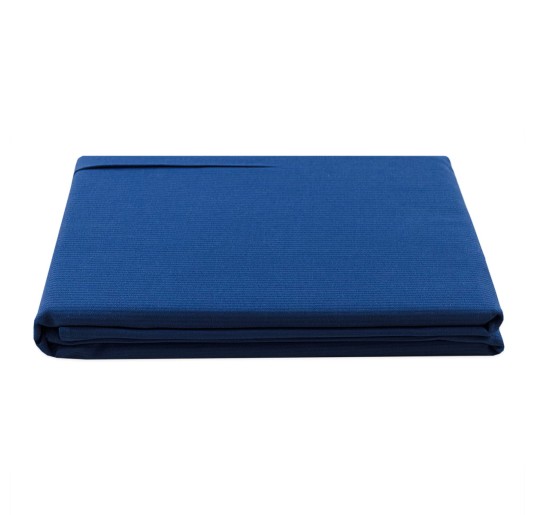
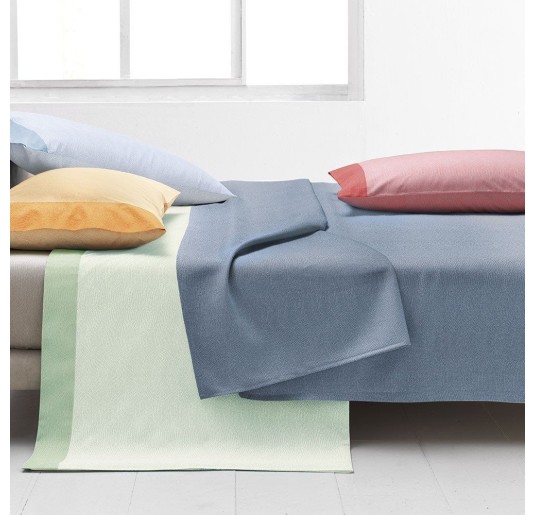
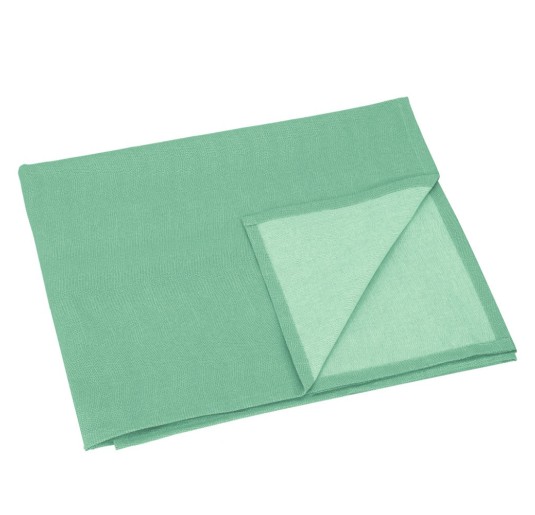

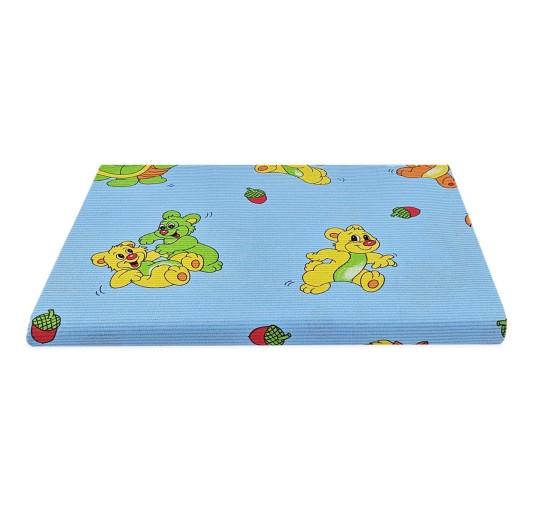

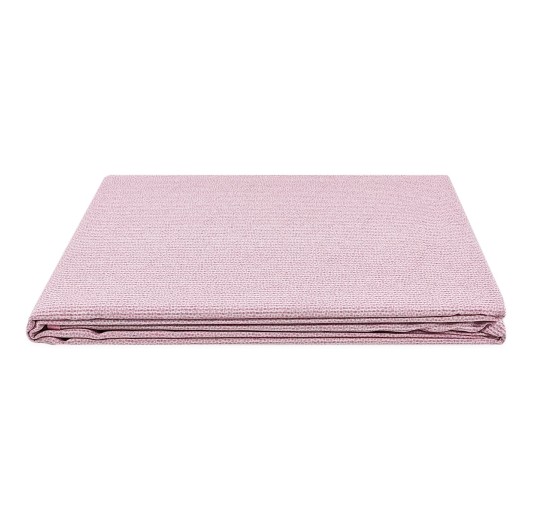

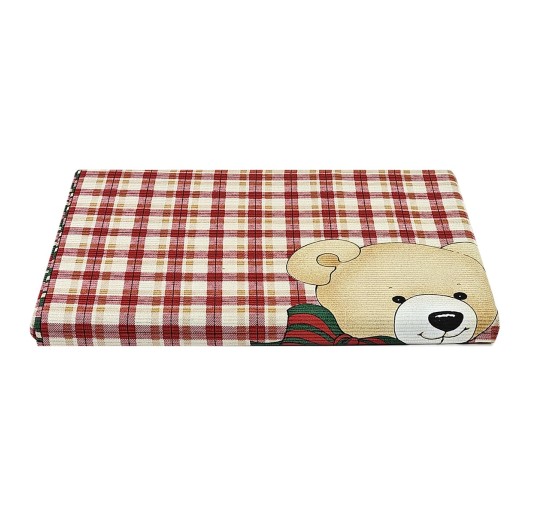
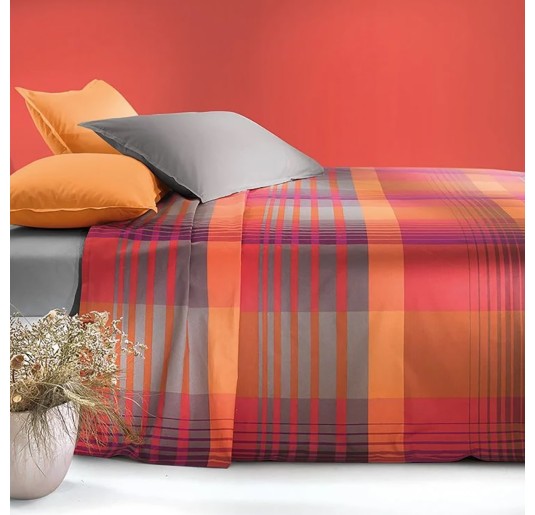

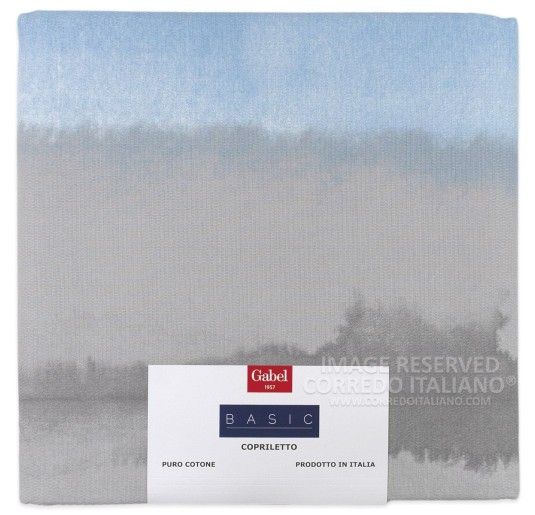
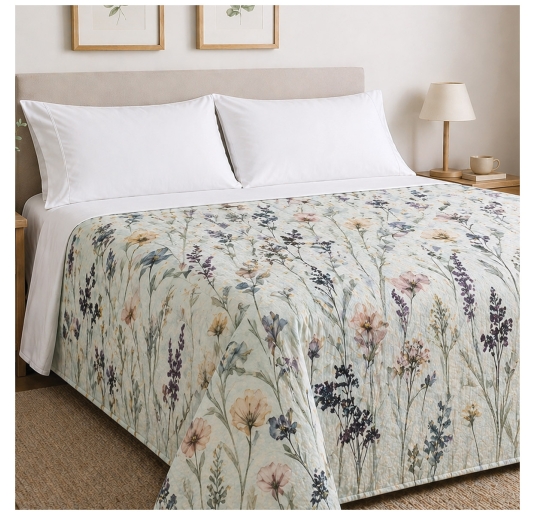
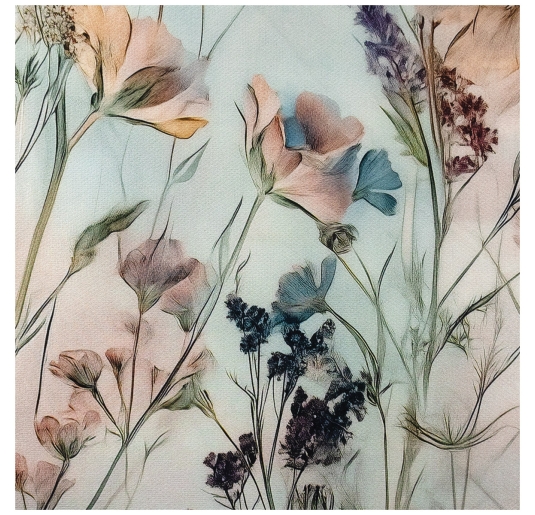
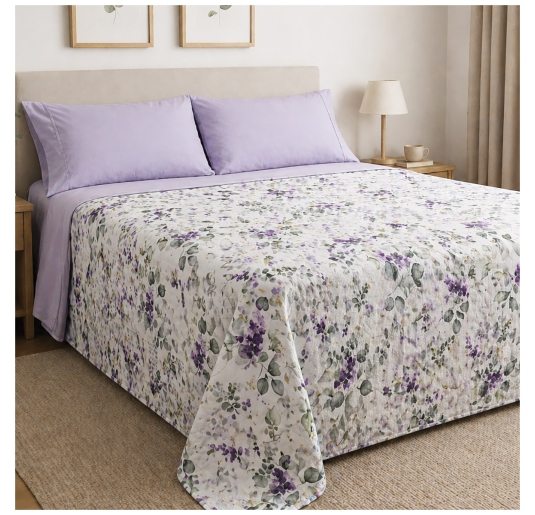
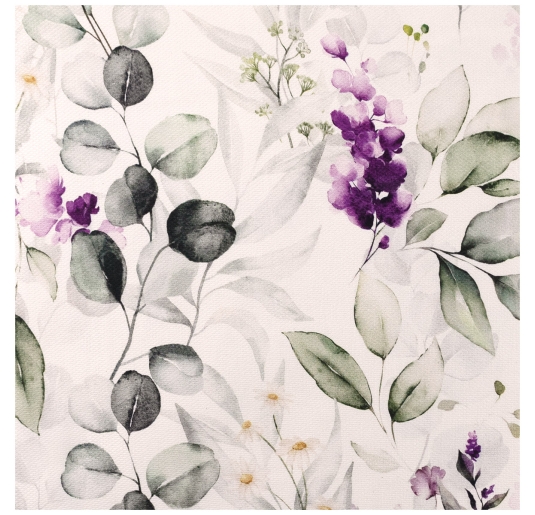
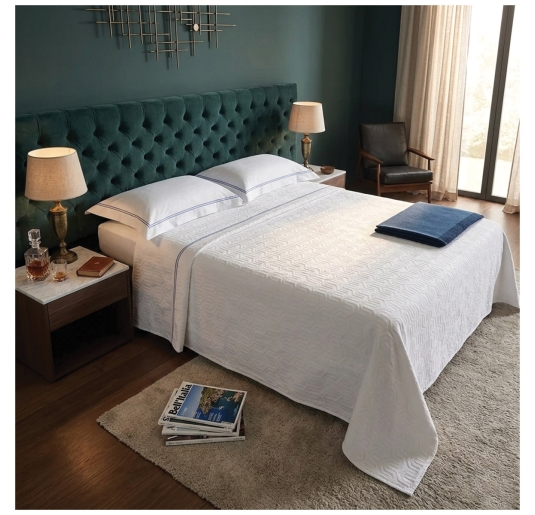


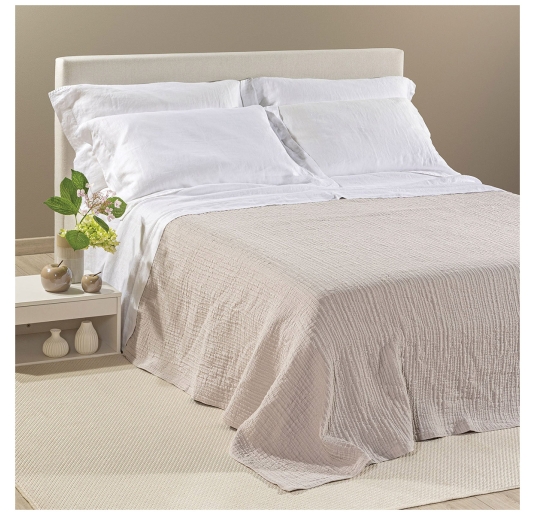

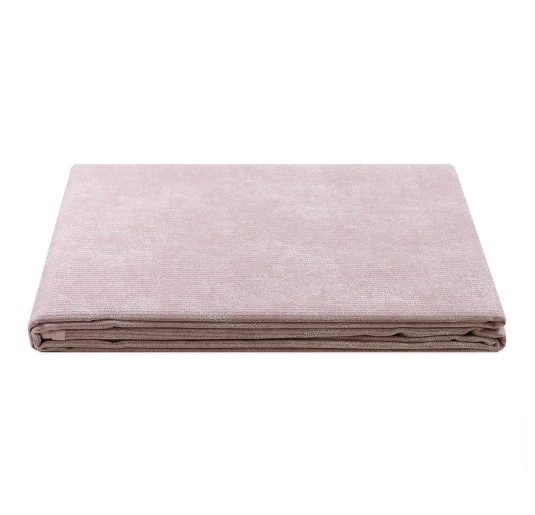
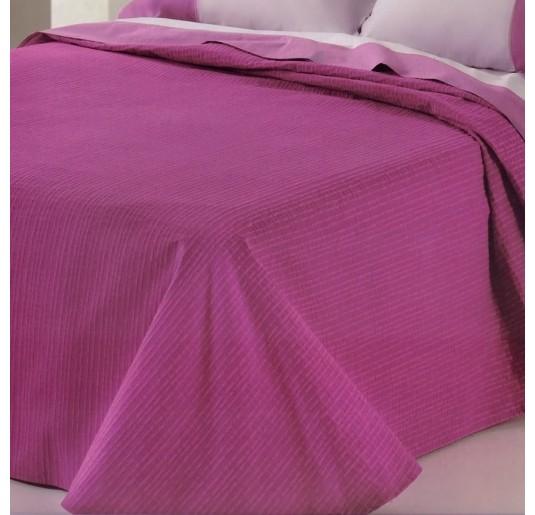
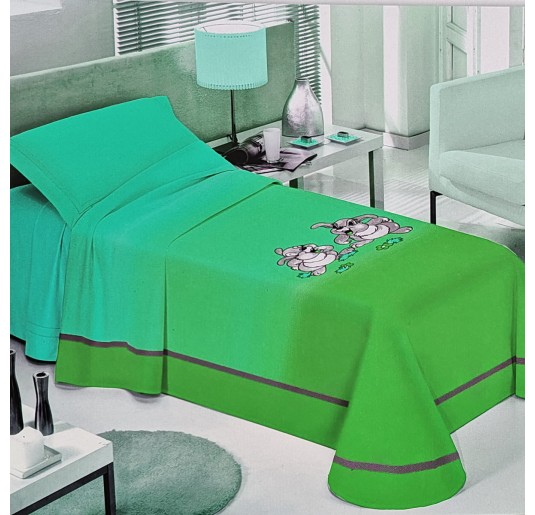

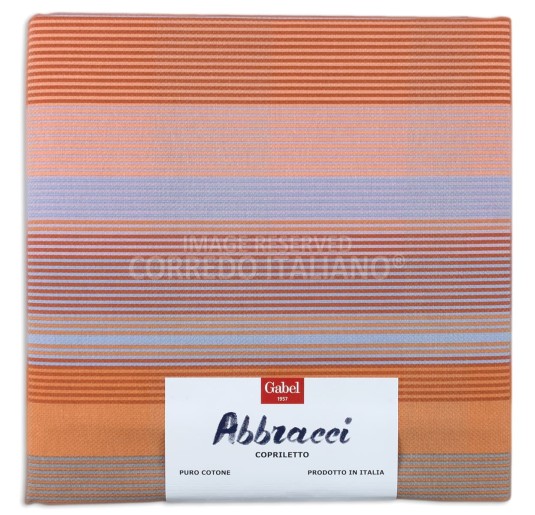


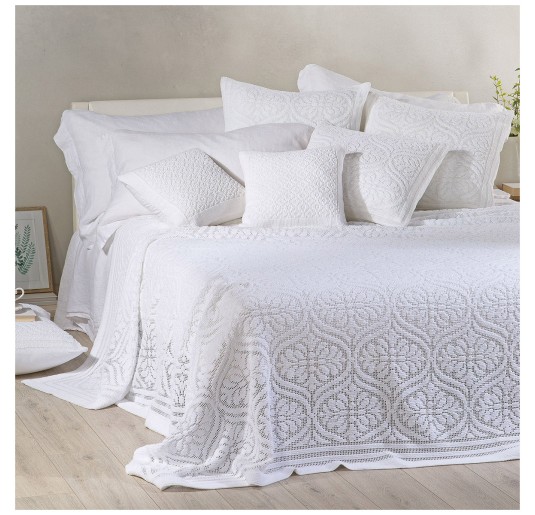
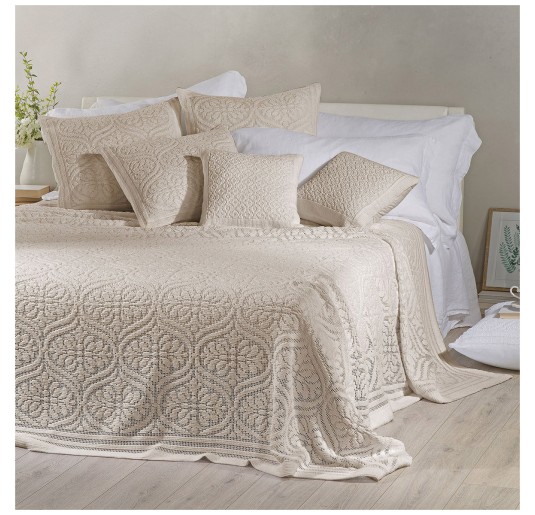

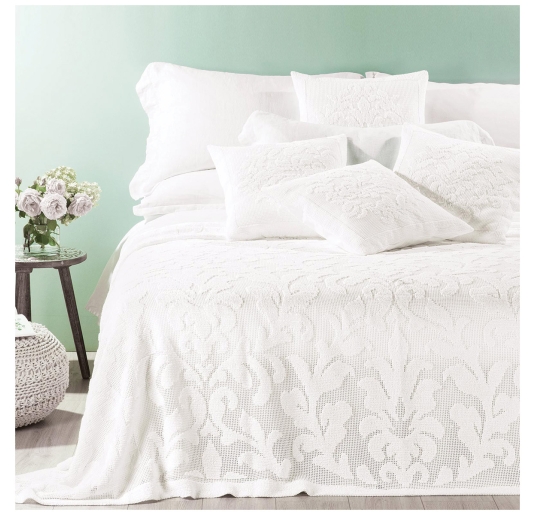


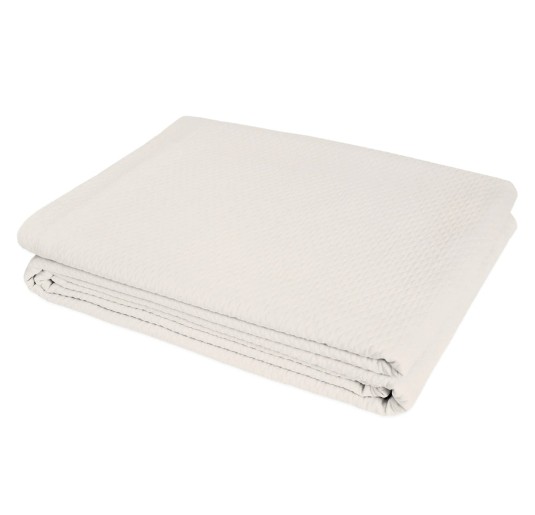

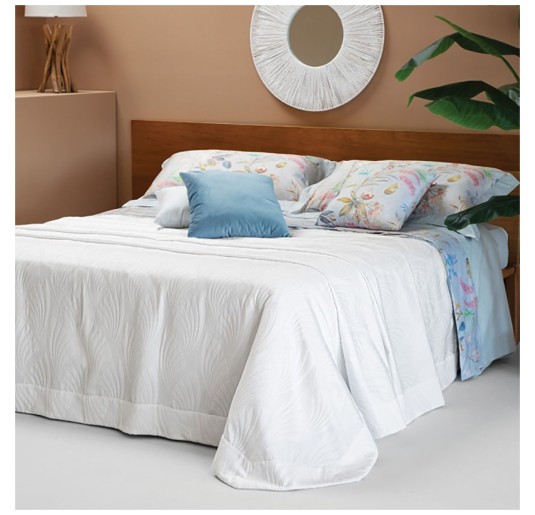

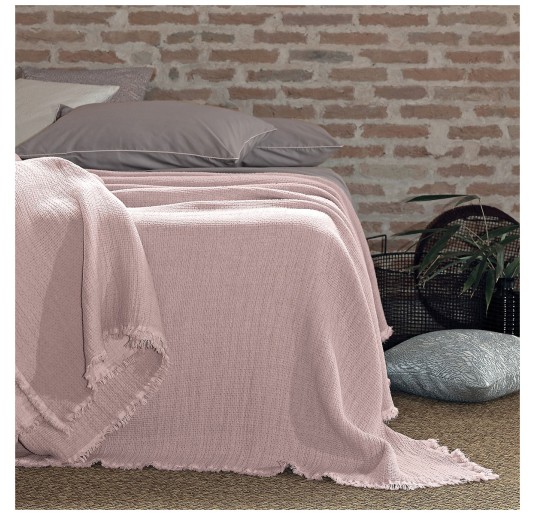

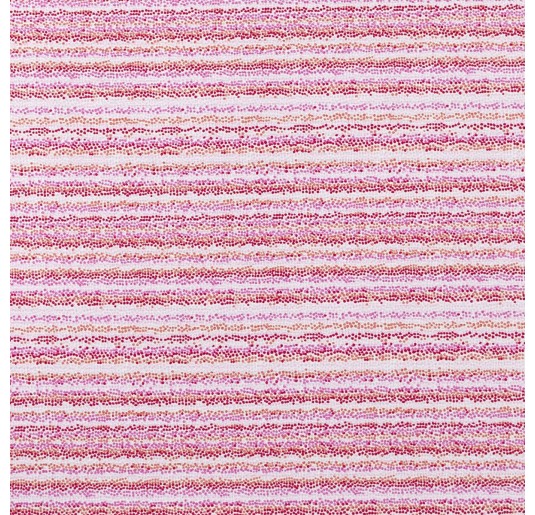


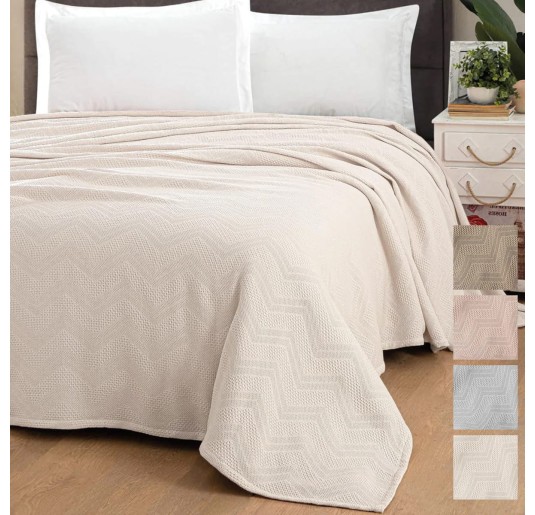
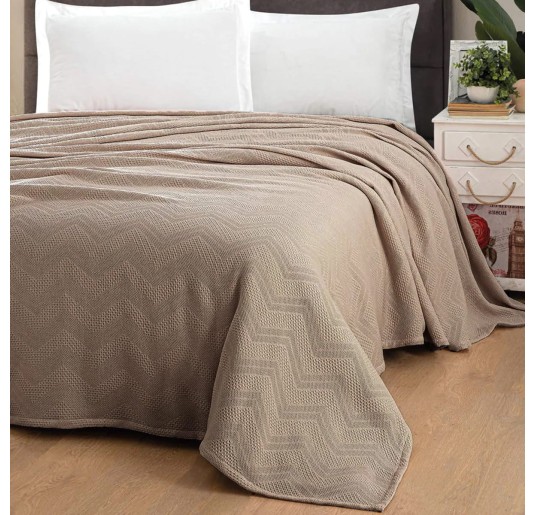


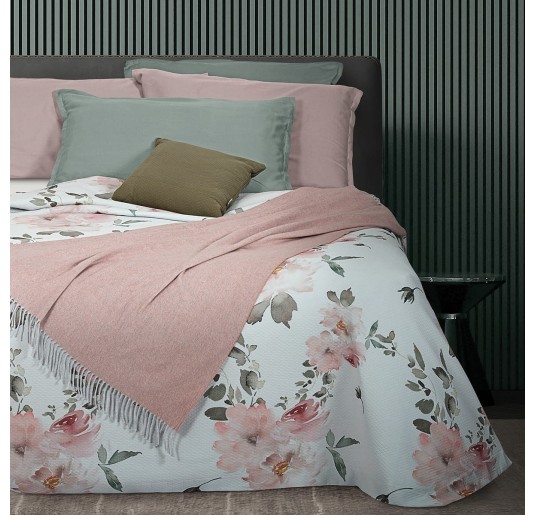

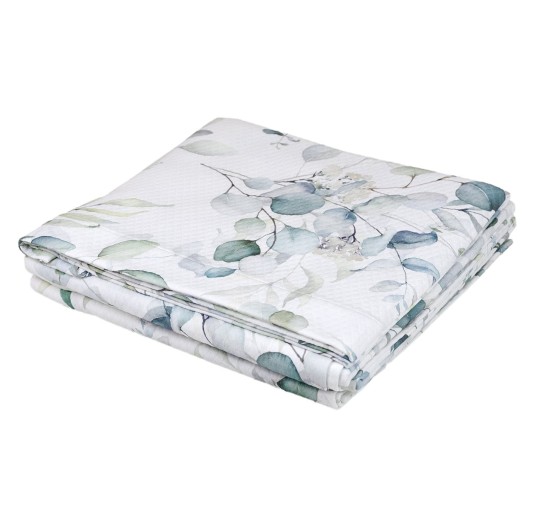

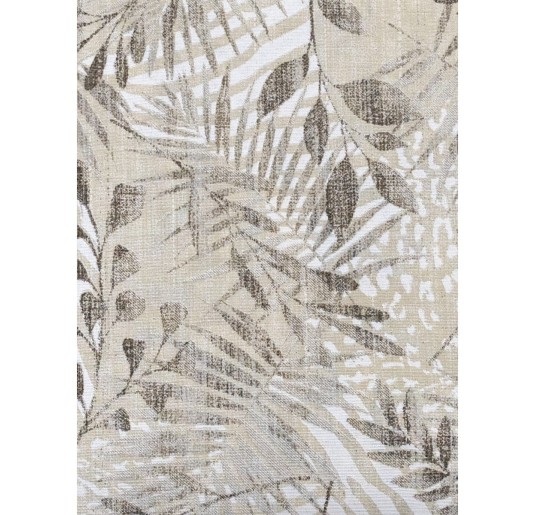
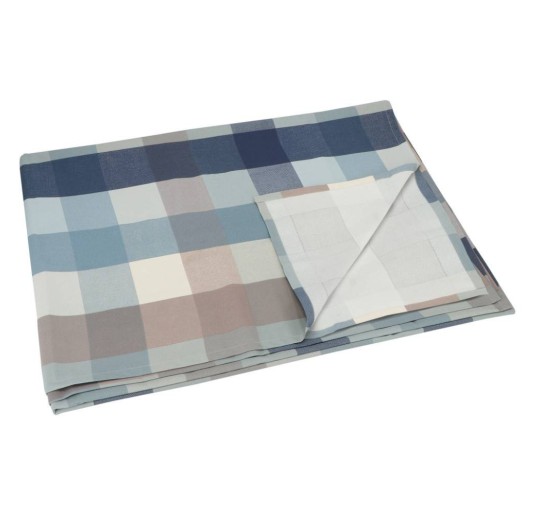

A lightweight bedspread is designed to dress the bed without adding the filling typically found in a lightweight quilt or winter quilt. This makes it particularly suitable for spring, summer and other periods when a lighter, easy-to-manage layer is preferred.
During the day, it helps protect the bed linen and keeps the bedroom looking neat and well arranged. On mild nights, it can also be used as a light layer, depending on the room temperature and individual sleeping preferences. Its purpose is therefore not purely decorative: it can also play a practical role in the everyday management of the bedroom.
The absence of substantial padding reduces bulk and volume compared with winter bedding. A lightweight bedspread is generally easier to spread over the bed, fold and store, which can be particularly useful during seasons when temperatures change considerably between daytime and night.
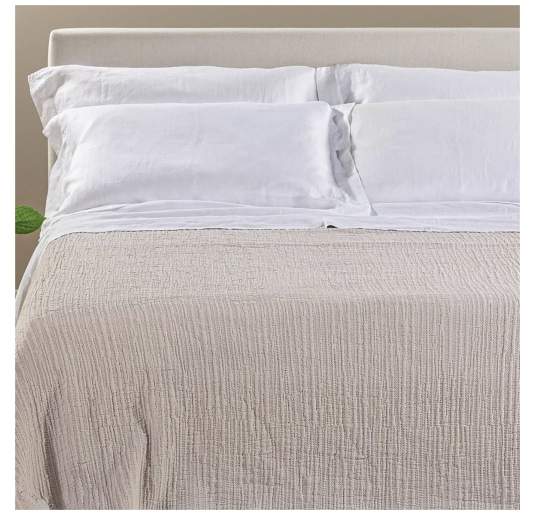
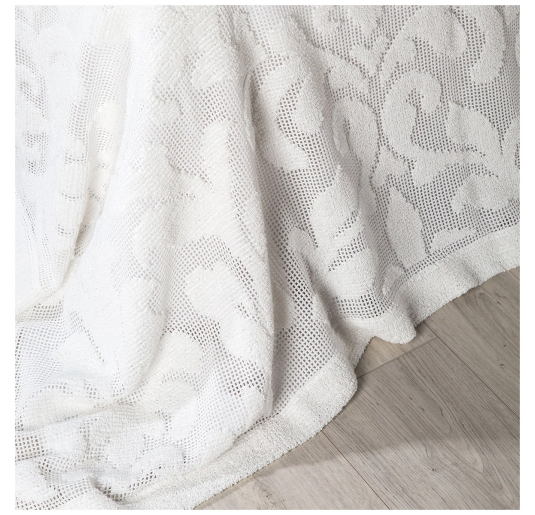
Cotton is one of the most widely used materials for lightweight bedspreads thanks to the versatility and pleasant feel of this natural fibre. The final characteristics, however, also depend on the fabric construction: two bedspreads made from cotton can have very different weights, textures and appearances.
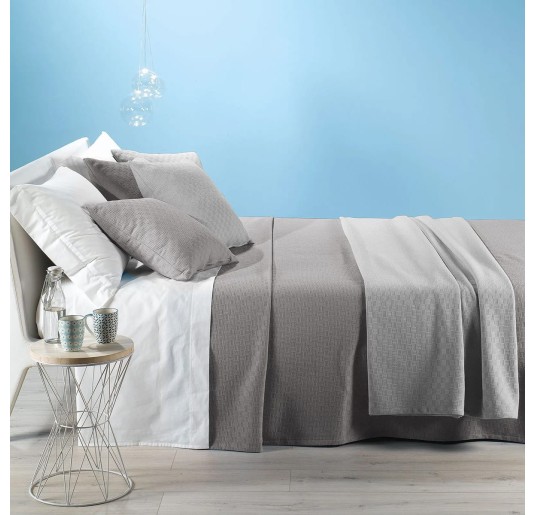
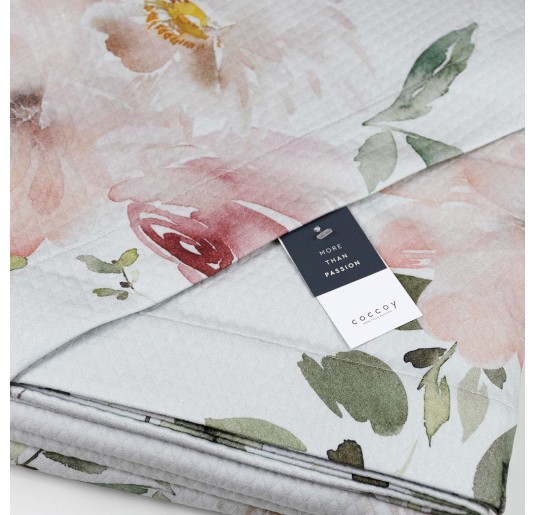
Cotton piqué is recognised by its subtly raised geometric texture. This distinctive weave gives the bedspread greater structure without requiring actual padding and helps create a neat, defined appearance on the bed. Its textured surface also provides more visual interest than a completely smooth fabric.
For this reason, a piqué bedspread can serve both a practical and decorative purpose. It remains relatively lightweight while offering enough structure to define the surface of the bed and add character even to plain-colour designs.
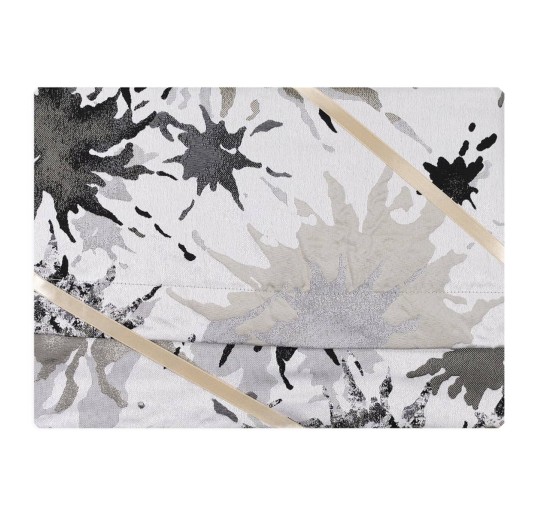
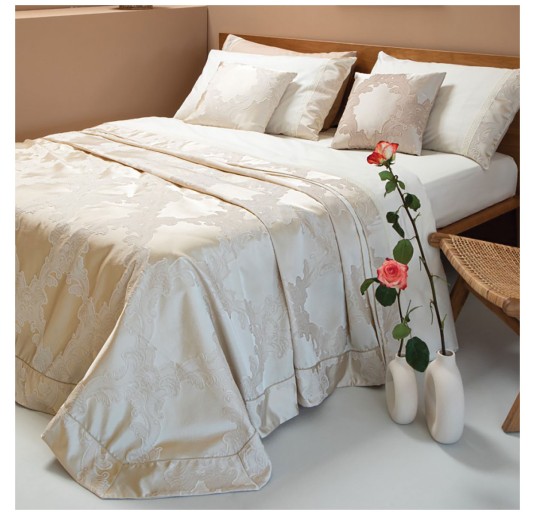
Jacquard bedspreads are distinguished by a weaving technique in which the decorative pattern is created directly during the production of the fabric. Unlike a design that is simply printed onto the surface, a jacquard motif is formed through the arrangement and interlacing of the yarns.
This technique can create greater visual depth, variations in texture and subtle effects that change according to the light and the structure of the weave. The result may be understated and tone-on-tone or more distinctive, depending on the pattern and colours used.
A jacquard bedspread can therefore become an important decorative feature without relying on bold prints or applied embellishments. The texture of the fabric itself adds character to the bed, making jacquard suitable for both classic bedrooms and more contemporary interiors.
The main difference lies in the presence and amount of filling. A lightweight bedspread is generally unpadded and is mainly used during warmer and milder periods of the year. A quilted bedspread, also described as a lightweight or mid-season quilt, contains a thin layer of filling and is particularly suitable for transitional temperatures.
A winter quilt has a more substantial construction and filling designed to provide greater thermal insulation during colder months. These three types of bedding are therefore not simply decorative variations of the same product: they meet different needs throughout the year.
The season itself should still be treated as a general guideline. The most suitable choice depends primarily on the actual bedroom temperature. In an air-conditioned or naturally cool room, even summer may require a different layer from the one used in a warmer sleeping environment.
Before purchasing, it is important to check the product dimensions. The collection includes single, small double and double bedspreads, but exact measurements may vary according to the model and manufacturer. The width and depth of the mattress, together with the desired drop at the sides of the bed, all influence the final appearance.
A high bed frame or particularly deep mattress may require a wider bedspread to achieve balanced coverage. The design of the bed should also be considered: a footboard, for example, can affect how the bedspread is arranged at the lower end.
Once the correct size has been identified, the choice can focus on material, weave and style. Plain colours are easy to coordinate with existing interiors, while floral, geometric and decorative patterns can turn the bedspread into the main visual feature of the room. It is also useful to consider the colours already present in curtains, cushions and bed linen to create a coordinated look without making the room appear overly uniform.
Because it covers such a large surface, the bedspread is one of the textiles that most strongly influences the overall appearance of a bedroom. Changing its colour, texture or pattern can noticeably refresh the sleeping area without replacing furniture or other permanent elements of the interior.
During brighter months, light colours and delicate patterns can make the room feel visually lighter, while bolder shades and geometric designs can create a focal point around the bed. Textured fabrics such as piqué and jacquard add depth through the weave itself and can make even monochrome designs more distinctive.
This versatility makes a lightweight bedspread a practical way to update the bedroom throughout the year and coordinate the bedding with seasonal changes or evolving interior preferences.
Corredo Italiano selects lightweight bedspreads designed for spring, summer and the milder periods of the year. The collection includes pure cotton, piqué and jacquard models for single, small double and double beds, with both plain-colour options and patterns suited to different interior styles.
The variety of materials, textures and fabric constructions makes it easier to compare different options and choose a bedspread according to bed size, bedroom temperature and the desired decorative effect. Specific information about composition, dimensions and care is available on each individual product page.
Discover the selection of lightweight bedspreads available at CorredoItaliano.com and choose the right design to dress your bed with a practical, lightweight layer that complements your bedroom throughout spring and summer.
A lightweight bedspread is mainly used during spring and summer, when padded bedding may feel too warm. The actual period of use depends on the bedroom temperature, local climate and individual preferences. In particularly warm conditions, it may serve mainly as a decorative cover, while on mild nights it can also provide a light layer for sleeping.
A lightweight bedspread is generally unpadded and designed for warmer and milder periods. A quilted bedspread contains a thin layer of filling that provides additional warmth, making it more suitable for spring, autumn and transitional temperatures.
Compare the product dimensions with the width, length and height of your bed. In addition to the mattress size, consider how far you would like the bedspread to drape over the sides. A deep mattress or a particular bed frame design may require a wider bedspread to achieve balanced coverage.
Piqué is a fabric characterised by a subtly raised geometric surface. When made from cotton, it combines the qualities of a natural fibre with a textured weave that gives the bedspread greater visual structure. This construction can create a decorative surface even in plain-colour designs.
On a printed bedspread, the design is applied to the fabric surface. In jacquard fabric, the pattern is created directly by interlacing the yarns during weaving. The motif therefore becomes part of the fabric structure and may show variations in texture and visual depth depending on the light.
Fibre composition alone does not determine the characteristics of a fabric. Yarn type, weave structure and fabric density also play important roles. Piqué, jacquard and smoother cotton fabrics can all be made from the same fibre while offering very different weights, textures, drape and visual effects.
Yes. During the day, it creates a layer between the bed linen and the surrounding environment, helping to reduce direct exposure to dust and everyday residues. It does not replace regular cleaning and changing of the bed linen, but it can provide an additional practical layer of protection.
Not necessarily. Weight affects how a bedspread feels, but fabric density and weave structure are also important. Two bedspreads of similar weight may perform differently depending on how the fabric is constructed and how easily air can move through the material.
Colour perception changes according to natural light, the colour temperature of artificial lighting and the texture of the fabric. Structured surfaces such as jacquard and piqué create small areas of light and shadow that can alter the perceived depth of a shade. The same bedspread may therefore look slightly different in daylight and artificial light.
No. Jacquard describes the way the pattern is created through the interlacing of yarns, but it does not determine the final weight of the product. Fabric weight, yarn type and weave density can vary considerably, so some jacquard bedspreads are relatively lightweight while others have a more substantial construction.