

Your cart
There are no more items in your cart


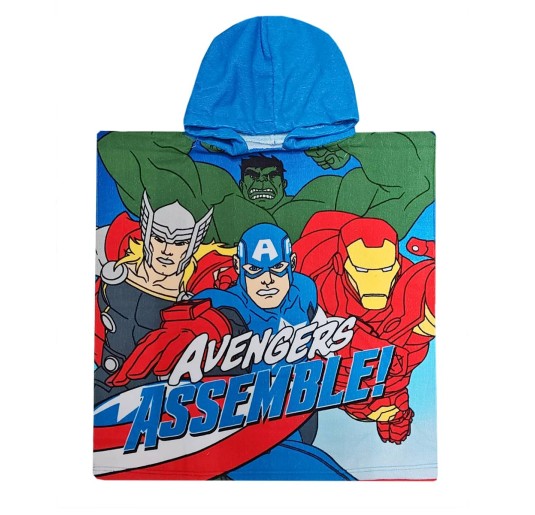
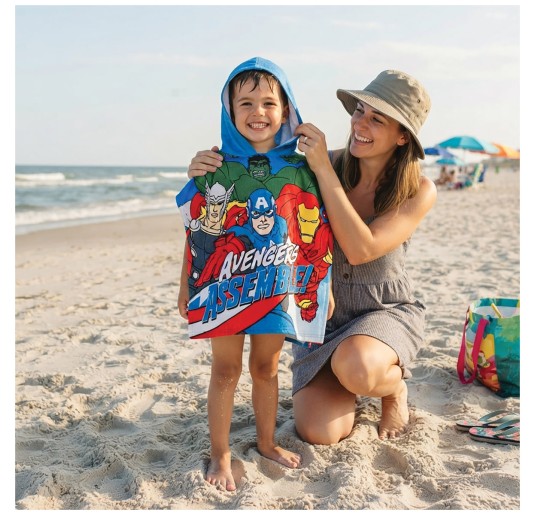
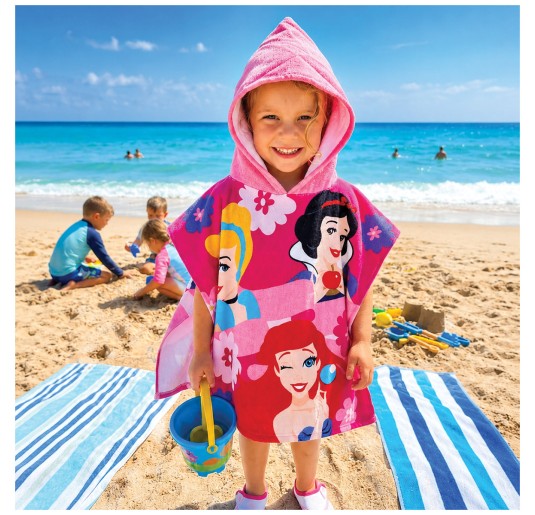
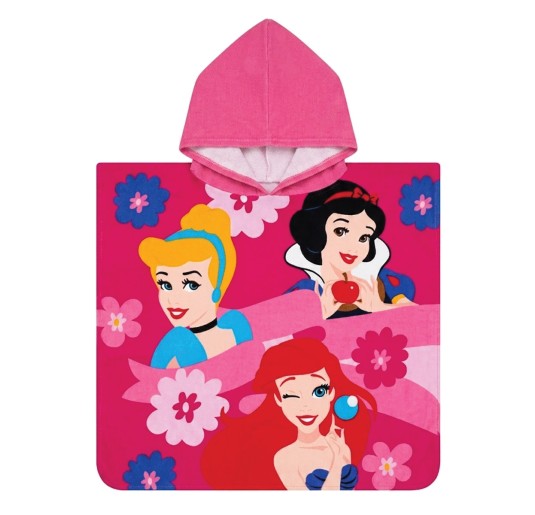
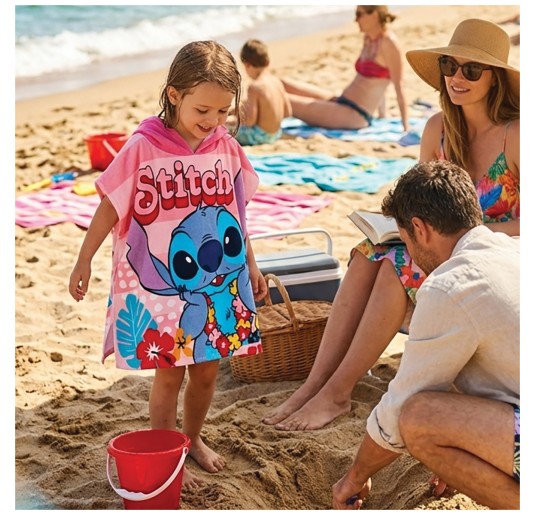
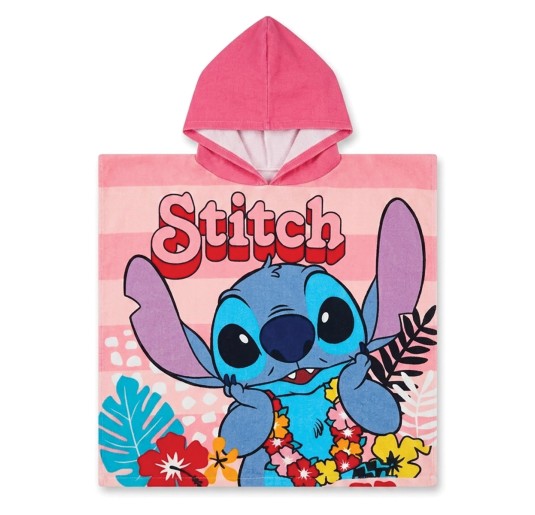
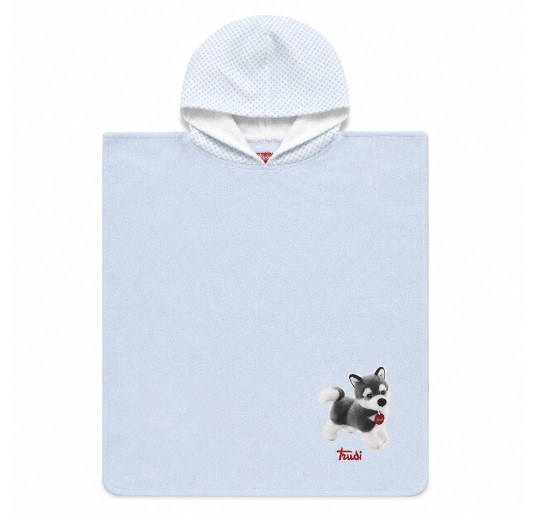
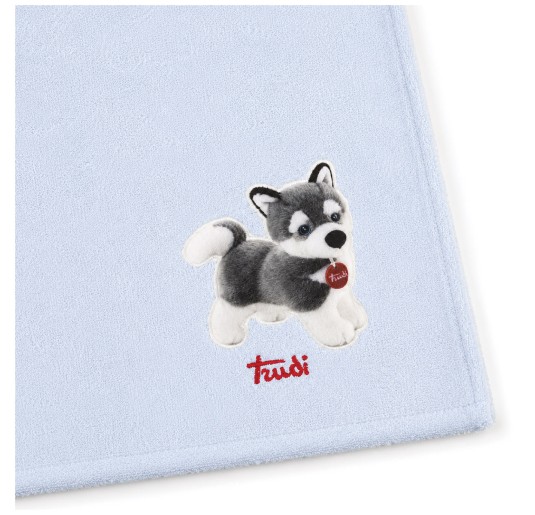
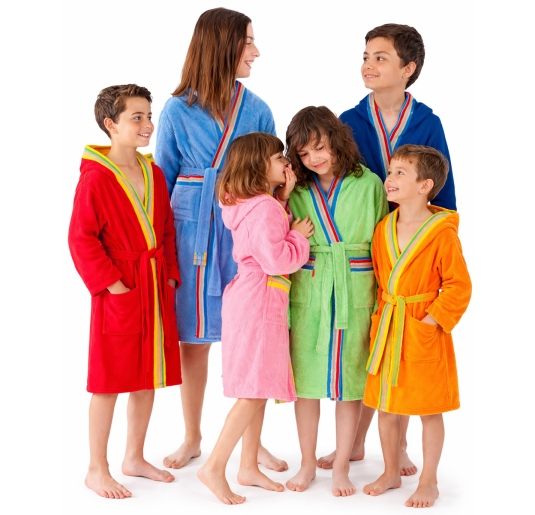
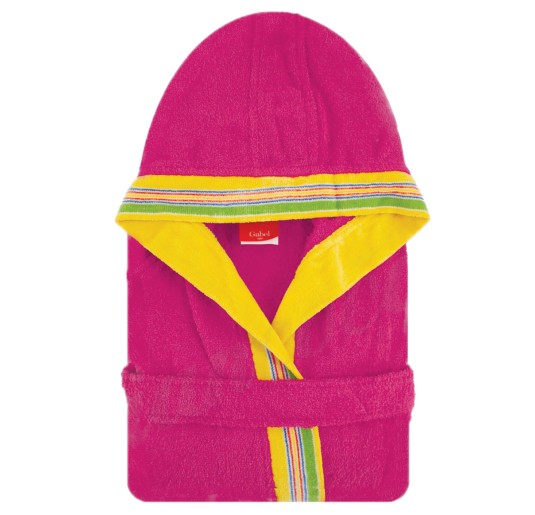
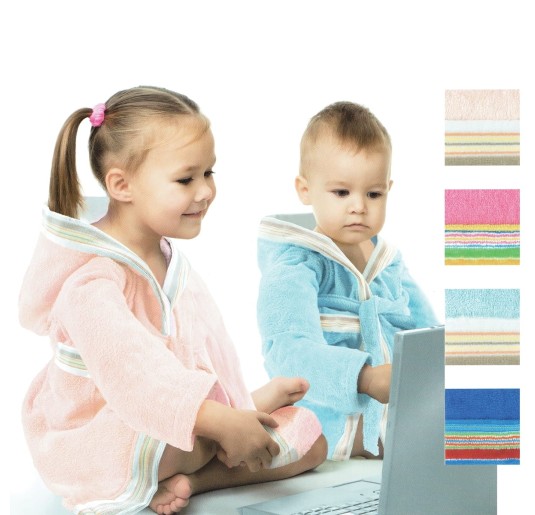
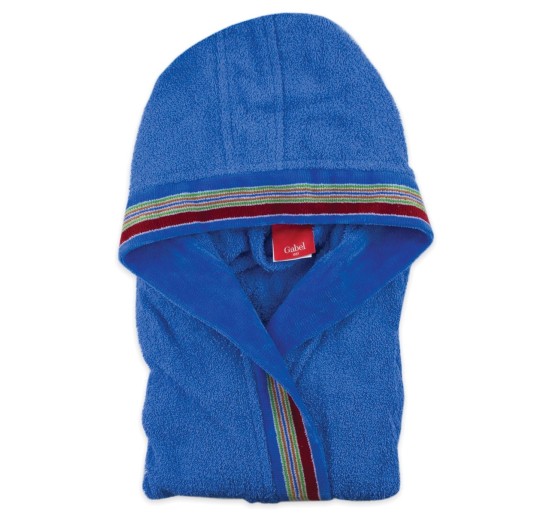




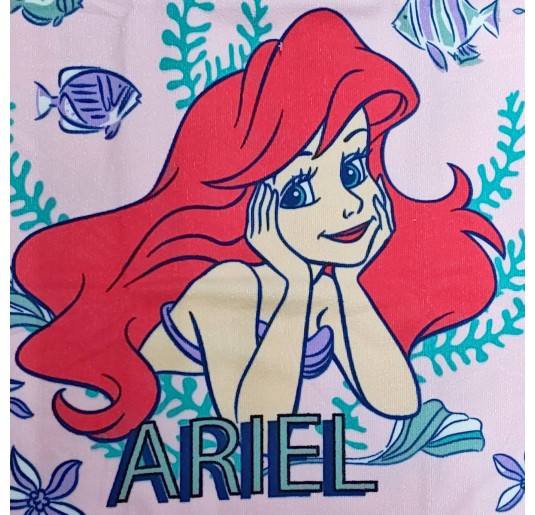
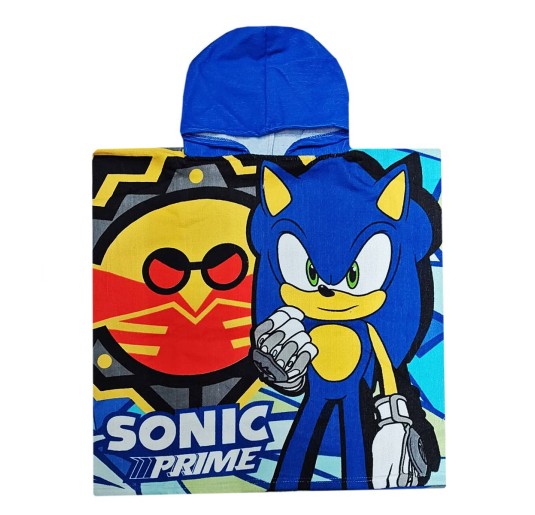
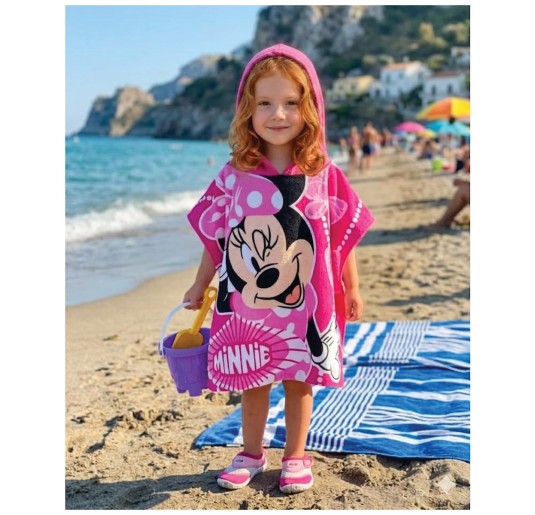
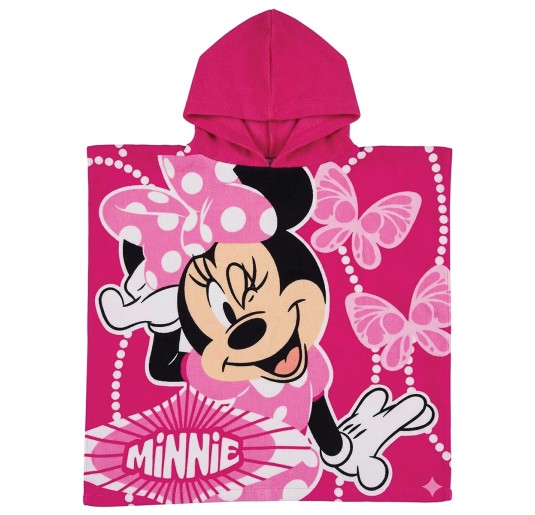

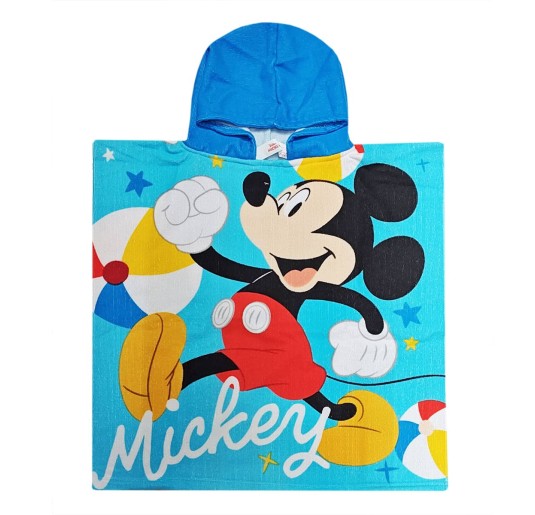


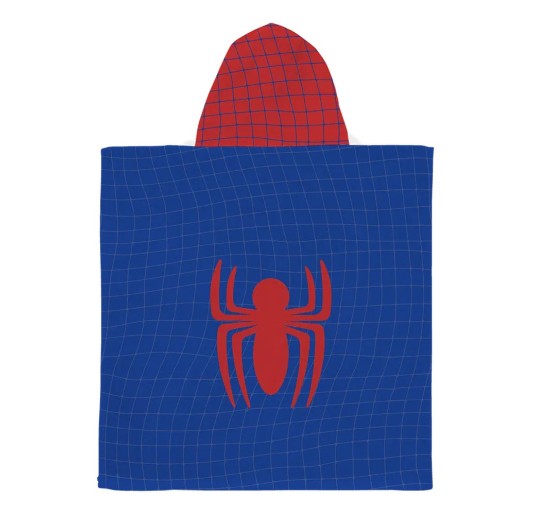
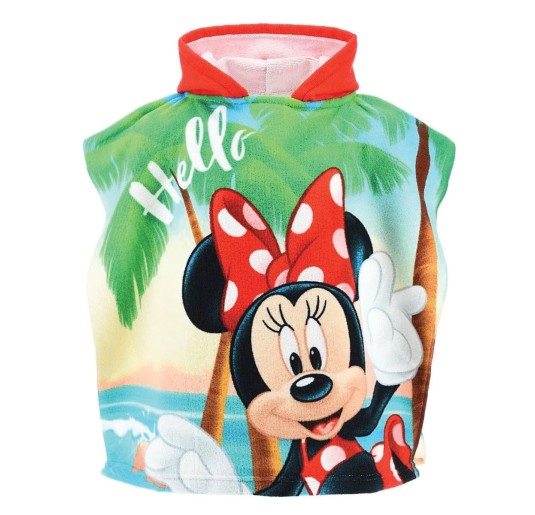

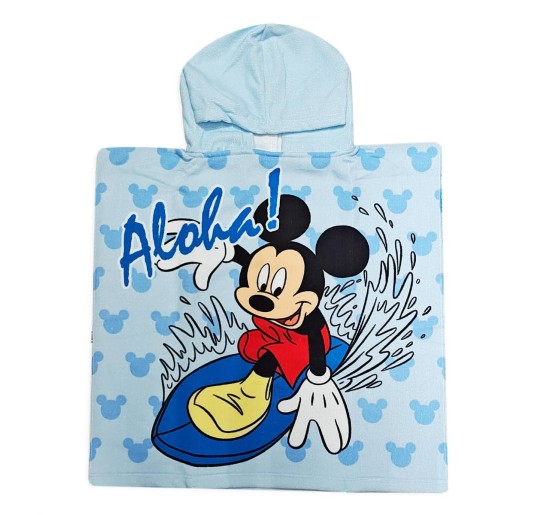


Children's bathrobes are designed to accompany little ones after bathing, swimming and days at the beach, providing a practical way to dry off and get dressed quickly. At Corredo Italiano you will find models in 100% cotton terry, microterry and Fast Dry microfibre, including traditional bathrobes and hooded ponchos in different sizes and designs created for children and young people. A carefully selected range combining different levels of absorbency, weight, drying speed and everyday practicality.
Choosing a children's bathrobe should begin with its intended use. A model for home use may prioritise a more substantial and absorbent construction, while for swimming, the beach or sports activities, lightness, easy transport and quick drying become especially important.
Fit is equally important. A bathrobe should allow the child to move freely without feeling excessively bulky. For this reason, always check the measurements provided by the manufacturer and, where available, the recommended age, height and size for each individual model.
Features such as a hood, pockets and waist belt also influence everyday practicality. Poncho styles, on the other hand, have a simpler construction that makes them quick and easy to put on and take off, which is particularly useful after bathing, at the beach or at the swimming pool.
Cotton terry remains one of the most widely used fabrics for children's bathrobes. Its looped surface increases the effective surface area of the fabric and helps absorb moisture, while a higher GSM generally gives the garment a more substantial and fuller feel.
The collection includes 100% cotton terry models, including hooded bathrobes and styles with decorative details. Some products feature weights of around 380 g/m² and are made in Italy, with specific characteristics provided on the relevant product page.
Cotton terry is particularly suitable for everyday use at home and for those who prefer a more traditional feel against the skin. Compared with very lightweight fabrics, however, it takes up more space when travelling and may require more time to dry completely.
Children's microfibre bathrobes and Fast Dry microterry styles meet different needs from traditional terry. Their lightweight, compact construction helps reduce the amount of space they take up in a bag and makes them convenient for use away from home, while quick-drying properties are particularly practical after swimming or a day at the beach.
The category includes several hooded Fast Dry microterry ponchos, with a weight of around 240 g/m² and compact formats such as 50×100 cm or 55×110 cm, depending on the model.
This type of bathrobe is particularly useful for families who frequently use these garments away from home, as it makes transport, changing and drying easier between one use and the next.
A traditional children's bathrobe has a construction similar to adult styles, generally featuring sleeves, a waist belt and often a hood and pockets. It is particularly suitable for home use and for children who want a garment they can continue wearing comfortably after bathing.
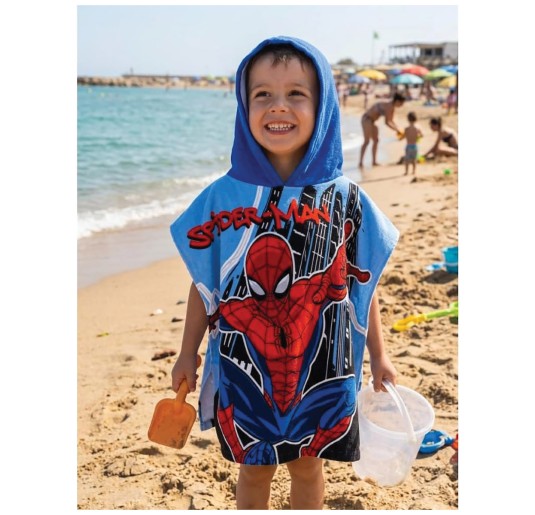
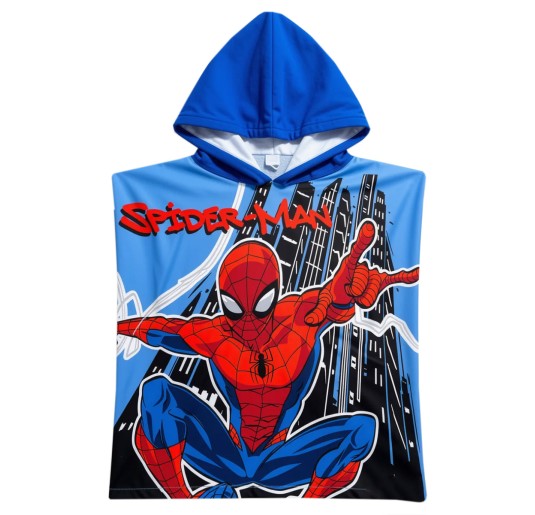
A children's poncho, by contrast, has a simpler construction, generally with an integrated hood and a wide opening. This design makes changing especially quick after swimming or a day at the beach and can also be practical when a child needs to be dried and dressed quickly.
The best choice therefore depends on the intended use. A traditional bathrobe may be preferable for home and everyday bathing, while a lightweight poncho can offer greater practicality for swimming, the beach and outdoor activities.
For children, age alone is not always enough to determine the correct size. Height, body shape and the fit of the individual model can vary significantly from one manufacturer to another.
For this reason, we recommend using the size guide for the individual product, paying particular attention to the recommended height where available. For example, some Gabel models include a size chart linking sizes with the child's age and height, making it easier to choose accurately.
For one-size ponchos, check the actual garment dimensions, such as width and length, to determine whether the fit is appropriate for the child's build.
Construction details can significantly affect the practicality of a bathrobe. A hood also covers the head after bathing or water activities, while pockets provide a convenient place for small items during use at home.
A waist belt allows the bathrobe to be securely closed and adjusted to the child's body. On poncho styles, these features may be absent or integrated differently, with greater emphasis on ease of use and freedom of movement.
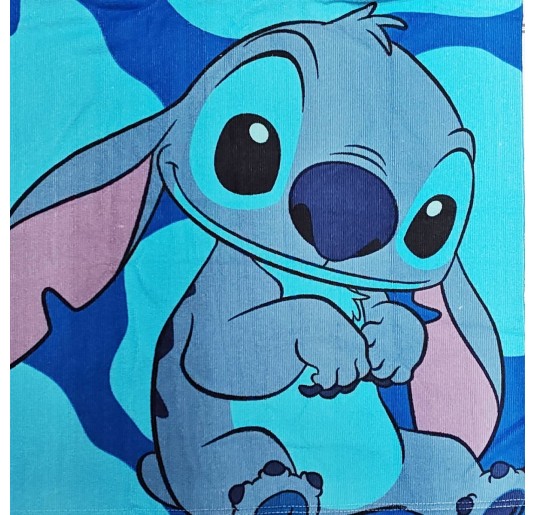
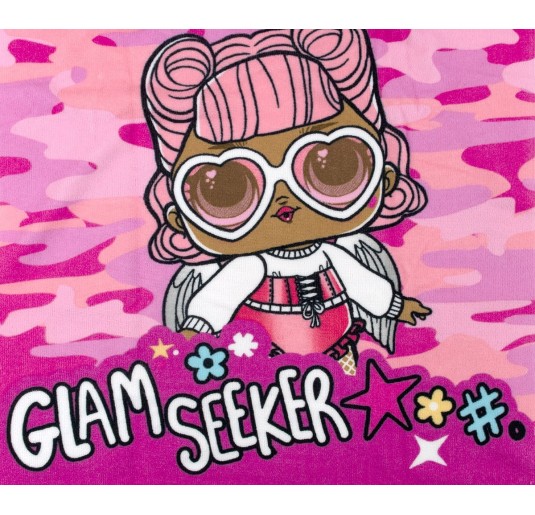
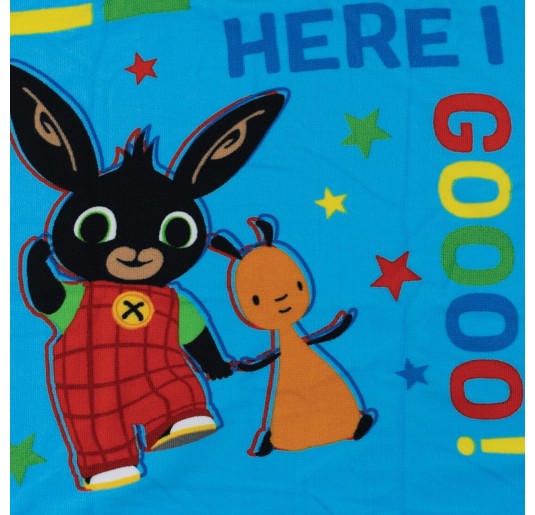
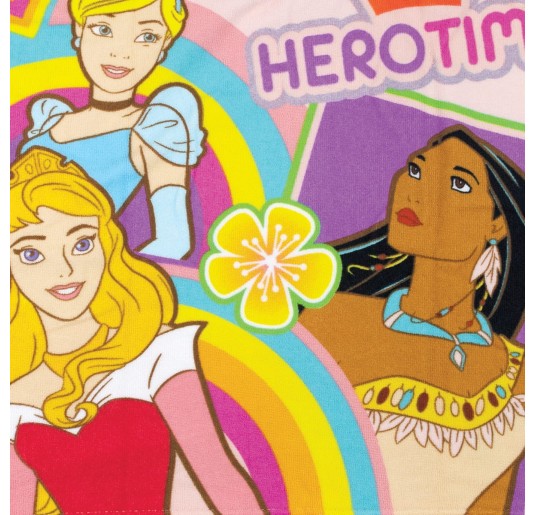
For children and young people, design is often an important part of the buying decision. The category includes numerous styles featuring Disney, Marvel and other children's characters, including Stitch, Spider-Man, Minnie, Mickey Mouse, Sonic, Bing and Disney Princesses.
Fun designs can make everyday use more enjoyable and can also make it easier to identify a child's bathrobe in shared environments such as swimming pools, gyms and beach facilities. For a well-informed purchase, however, design should always be considered together with the material, dimensions and technical specifications.
The intended use is one of the simplest ways to choose between different fabrics and constructions. A cotton terry model can be particularly suitable for home use and everyday bathing, while a Fast Dry microfibre poncho may be more practical for swimming, the beach and frequent travel.
Size and format also affect practicality. A traditional bathrobe provides greater overall coverage, while a poncho has a more compact construction and can be folded easily into a swimming or beach bag.
Children's bathrobes are used and washed frequently, so it is important to follow the care instructions provided on the product label. Washing temperature, detergent, spin cycle and drying method may vary depending on the fibre composition and fabric construction.
To preserve the softness of terry fabric, avoid treatments that are not recommended by the manufacturer and allow the garment to dry completely after use. For microfibre and Fast Dry fabrics, following the specific care instructions helps maintain their lightweight feel and quick-drying properties for longer.
Corredo Italiano offers a selection of children's bathrobes designed for different age groups and ways of use. The category includes traditional 100% cotton terry bathrobes as well as numerous microterry and Fast Dry microfibre ponchos, available in different sizes, weights and designs.
The presence of recognised brands and collections created specifically for children makes it possible to compare different options according to material, fit and intended use. Each product page provides detailed information about the individual model, making it easier to choose according to composition, measurements and care requirements.
Discover the selection of children's bathrobes available at CorredoItaliano.com and choose from cotton, microfibre and Fast Dry models suited to home use, swimming, the beach and your child's everyday activities.
The right choice mainly depends on how the bathrobe will be used. 100% cotton terry is ideal for those looking for a more substantial fabric with good absorbency, while microterry and microfibre can be more practical when lightness, compactness and easy transport are priorities.
A traditional bathrobe generally features sleeves, a waist belt and, depending on the model, a hood and pockets. A children's poncho has a simpler design and is usually pulled on over the head, making it particularly practical after swimming, at the beach or after a bath when the child needs to dry off and get dressed quickly.
For swimming and beach use, lightweight and compact models can be especially practical, particularly when they need to be carried frequently. Microfibre and Fast Dry microterry options can offer advantages in terms of weight, storage space and ease of use between one activity and the next.
Always check the size guide for the individual product, taking into account the child's age, height and build. Sizing can vary between different brands and models, while for ponchos it is also useful to check the garment's width and length.
A hood helps cover the head after bathing or water activities and can be particularly practical at the swimming pool or beach. A non-hooded model may instead be preferred by those looking for a simpler or lighter design.
Not necessarily. A higher GSM generally indicates a greater amount of fabric per square metre and therefore a more substantial construction, but it does not determine the overall quality of the product. Absorbency, softness, drying time and practicality also depend on the fibre, fabric construction and manufacturing process.
The combination of a compact construction, low weight and quick-drying properties can make the garment easier to manage when it is used frequently outside the home. This is particularly useful when the bathrobe needs to be packed back into a swim or beach bag after water activities.
GSM refers to the weight of the fabric per square metre, but it does not fully describe the construction of the garment. Fibre type, fabric density, surface structure, finishing and features such as a hood or pockets can all affect the overall weight and how the bathrobe feels when worn.
Terry fabric has a surface made up of numerous loops that increase its ability to absorb water, but they also mean there is more moisture to remove during drying. Microfibre, thanks to its structure and lower bulk, can dry more quickly, although actual drying performance also depends on GSM, temperature, ventilation and the drying method used.
A more substantial bathrobe can provide a warmer, more enveloping feel, but it also takes up more space in a bag and may require longer to dry. A lightweight, compact construction is easier to transport and store. The ideal choice therefore depends on the balance between absorbency, weight, bulk and intended use.